



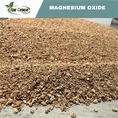
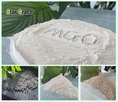
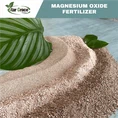
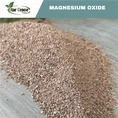
Epsom salt is a magnesium-containing compound, white fine oblique or oblique columnar crystallization, odorless, bitter, clinical use of diarrhea, gallbladder, anticonvulsant, eclampsia, tetanus, hypertension and so on.
1. Epsom salt can inhibit the central nervous system, relax skeletal muscle, have sedation, anti-spasticity and reduce intracranial pressure and so on. Often used in the treatment of convulsions, eclampsia, uremia, tetanus and hypertensive encephalopathy. More than 10% magnesium sulfate 10 ml deep intramuscular injection or 5% glucose diluted to 2% 2.5% of the solution slowly drip. But should pay attention to the direct intravenous injection or high dose of magnesium sulfate injection is very dangerous, generally 25% magnesium sulfate can use up to 15 ml at a time. Attention should be paid to the observation of respiratory and blood pressure in patients. Slow knee reflex is an important sign of adequate magnesium content.
(2)magnesium plays an important role in the metabolism of sugar and protein. Children during growth and development should supplement magnesium salt if they have dyspepsia and vitamin D.
(3)magnesium has many physiological functions similar to potassium. Because the clinical manifestation of magnesium deficiency is similar to that of potassium deficiency, magnesium deficiency is often neglected. When the symptoms have not improved after supplementation of potassium in the absence of potassium The possibility of magnesium deficiency should be considered first so that hypomagnesemia can be corrected in time. Therefore, long-term infusion of patients, in addition to potassium should pay attention to magnesium. Daily infusion of 1 g magnesium sulfate can prevent hypomagnesemia.
