

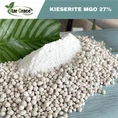





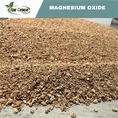

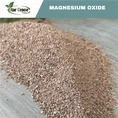

Magnesite (MgCO3) is natural source for production of caustic calcined, dead burned and fused magnesia.
For high temperature processes, there is a great need for refractory raw materials that can withstand oxidative environment at elevated temperatures. Fused magnesia (FM) is the most important
material for these purposes with melting point 2800 °C and one
of the key element of the refractory heat resistant materials especially for steelmaking refractory bricks. Fused magnesia is considered to be one of the best thermal and electrical insulators with
high density, high purity and large crystals.
Fused magnesia (FM) is produced by electric arc melting of magnesite or CCM in a traditional Higgins furnace or in tilt-type furnace at >2800°C. Quality of the electrically fused magnesia is determined by choosing magnesite source, beneficiation processes,
arc furnace electrical parameters and sorting. Final product were
characterized by using chemical analysis, scanning electron microscope and EDX. Samples from different process parameters
were investigated according to their crystal size, bulk density and
impurity formation.


