

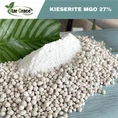



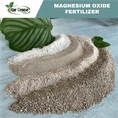
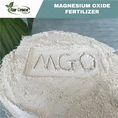
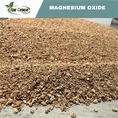
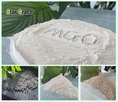

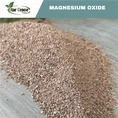
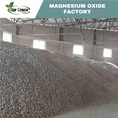

Magnesium hydroxide (brucite) is a new type of filled flame retardant, which releases bound water and absorbs a large amount of latent heat during thermal decomposition to reduce the surface temperature of the composite filled with it in the flame. It has the function of inhibiting polymer decomposition and cooling the flammable gas produced.
Magnesium hydroxide (Brucite) is a halogen-free flame retardant, which produces water by thermal decomposition and absorbs heat, and produces no corrosive and harmful substances after decomposition. Magnesium hydroxide not only improves the decomposition temperature of the added materials, but also does not pollute the environment. Magnesium hydroxide can be widely used in flame retardant and smoke suppression of polypropylene, polyvinyl chloride and unsaturated resins. Magnesium hydroxide has high thermal decomposition temperature, which is conducive to accelerating extrusion speed, shortening molding time and improving flame retardant efficiency. It can be widely used in polyester, epoxy resin, coatings, fiber products, polypropylene, polyacrylonitrile, polyvinyl ester, wire, cable, wood, rubber, paint, polyvinyl chloride and other fields.
Solid magnesium hydroxide (Brucite) also has smoke suppressing and fire retarding properties. This is due to the endothermic decomposition it undergoes at 332 °C (630 °F): Mg(OH)2 (s) → MgO (s) + H2O (g)
The heat absorbed by the reaction acts as a retardant by delaying ignition of the associated substance. The water released dilutes any combustible gases and inhibits oxygen from aiding the combustion. Common uses of magnesium hydroxide as a fire retardant include plastics, roofing, and coatings. Other mineral mixtures that are used in similar fire retardant applications are natural mixtures of huntiteand hydromagnesite.
