









Why Star Grace Mining


| Potassium Nitrate Features | |
| Potassium Nitrate Features |
One key feature of potassium nitrate is its ability to act as a powerful oxidizer. This means that it can react with other substances to facilitate chemical reactions that would otherwise be difficult or impossible. This property makes it a valuable ingredient in many different products, including fertilizers, fireworks, and rocket propellants.
Another important feature of potassium nitrate is its solubility in water. This makes it easy to dissolve and mix with other substances, making it a common ingredient in many different types of products. Its solubility also makes it easy to use in its pure form, without the need for elaborate processing or refining techniques.
Potassium nitrate is also a stable compound, meaning that it does not decompose or break down easily over time. This stability makes it a reliable ingredient in many different applications, from food preservation to metalworking. |
|
How to Use |
The composition of the nutrient solution should depend on the crop being planted. Add a large amount of elemental fertilizers to 1000 liters of melon water: 800g potassium nitrate, 900g calcium nitrate, 150g dihydrogen phosphate, 500g magnesium sulfate, and 200g potassium dihydrogen phosphate. Trace element fertilizers include 15g of ferrous sulfate, 0.5g of copper sulfate, 2g of manganese sulfate, and 0.2g of zinc sulfate. Solanaceae: Add 600g of potassium nitrate, 480g of calcium nitrate, and 500g of magnesium sulfate to 1000 liters of water, with trace elements similar to melons. Other vegetable crops: Add 400g of potassium nitrate, 1000g of calcium nitrate, 137g of ammonium sulfate, 550g of magnesium sulfate, and 150g of potassium dihydrogen phosphate to 1000 liters of water, with trace elements similar to melons. |
|
Pay Attention |
During the growth process of vegetables, the acidity and alkalinity of the nutrient solution maintained by the lumbar spine are between 5 and 6.5. Before preparing the nutrient solution, use an acidity meter or a precision pH test paper. When the pH value is too high, adjust it with sparse acid or phosphoric acid; when the pH value is too low, adjust it with dilute ammonia water or caustic soda solution.
During the growth process, the temperature is between 15 and 25 °C. Add nutrient solution in the morning and evening on hot days and at noon in winter. Add 1-2 times a day, each time applying 1.2–1.5 kilograms of nutrient solution per square meter. Watering determines the success or failure of soilless vegetable cultivation. Watering should be done between the application of the nutrient solution, usually once in the morning and evening, 4-5 times per day in the summer, and twice in the winter. The amount of watering is about 2 kilograms per square meter per time. |
Product Photo

COA

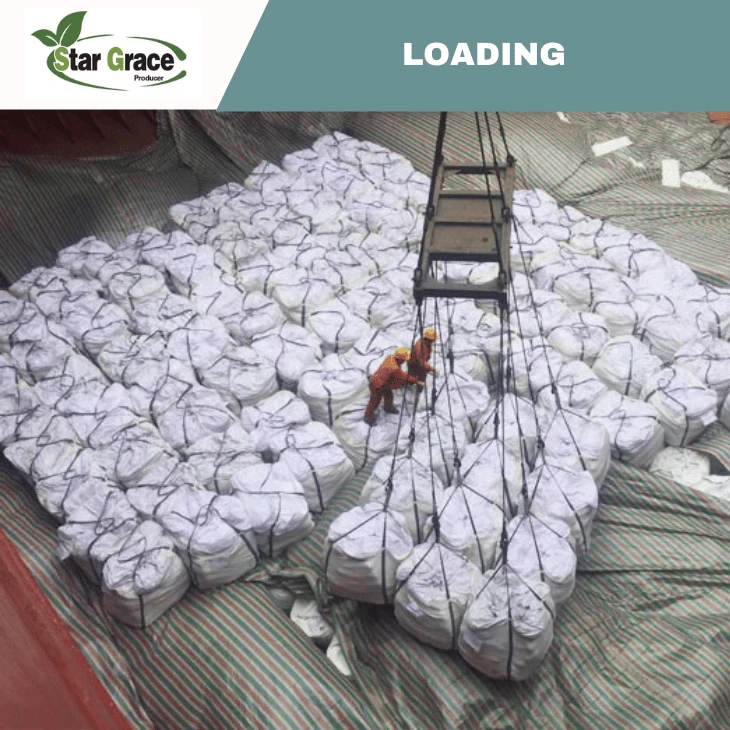
Loading Photo

Our Loyal Customers

Meet Our Team

Hot Tags: potassium nitrate features, China, suppliers, manufacturers, factory, producer, buy, price, made in China


